Compare cobots for material handling, food palletizing, and welding, with practical specification checks for importers and project buyers.
Commercial robot sourcing becomes easier when the application comes before the machine. Importers and project buyers should first define the load, working envelope, cycle expectations, installation space, and end-of-arm tooling. Those details quickly separate a flexible handling cobot from a complete palletizing system or a welding-focused solution.
Match the Robot to the Process
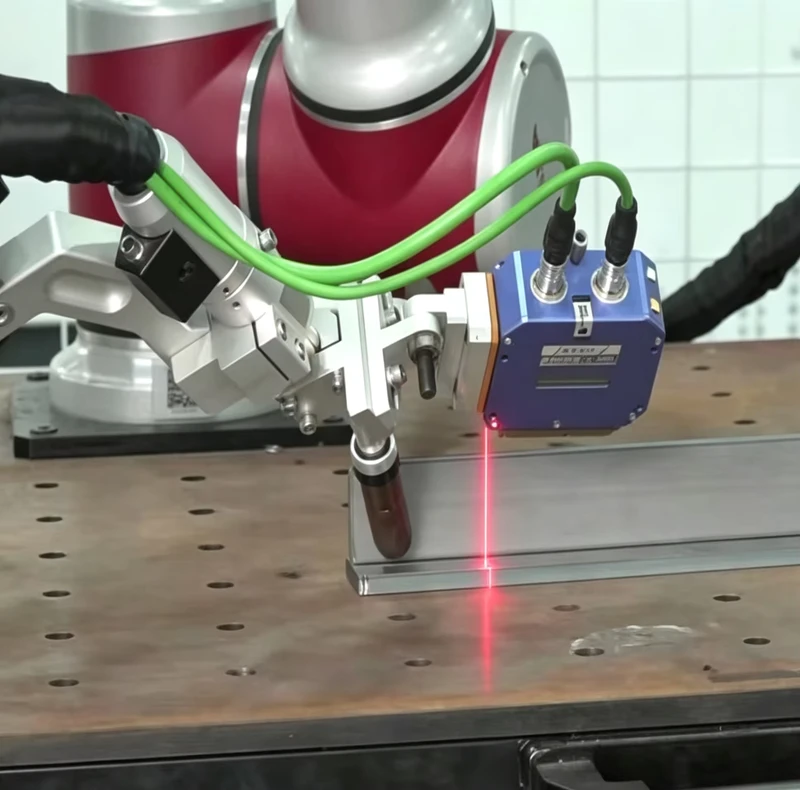
For assembly, screwdriving, and material transfer, the JAKA S12 cobot offers a listed 12 kg payload, 1,327 mm arm reach, IP65 protection, and a built-in force sensor. Compatibility with grippers, vision systems, sensors, conveyors, and other end effectors makes it relevant for production lines that may handle several tasks.
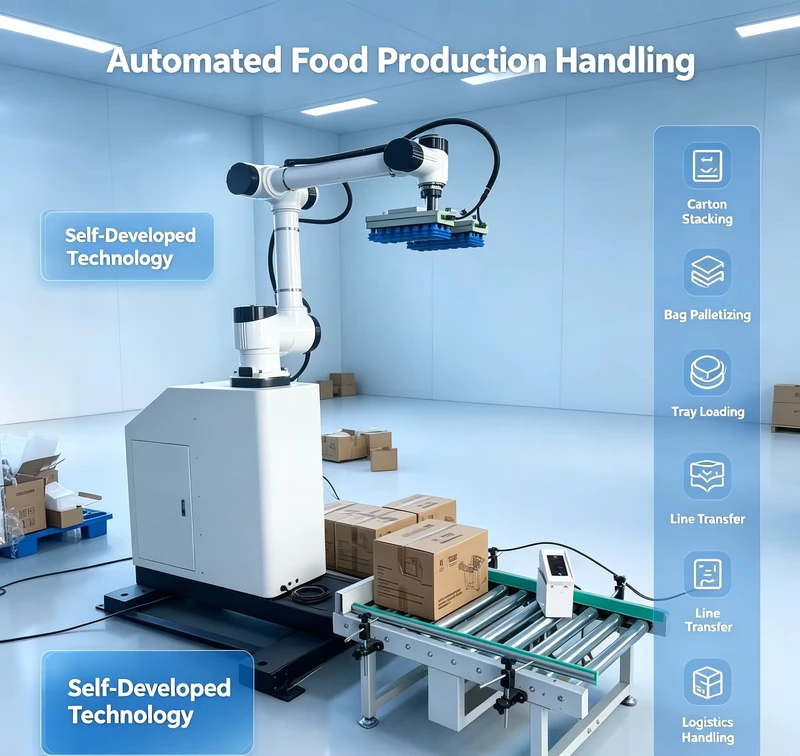
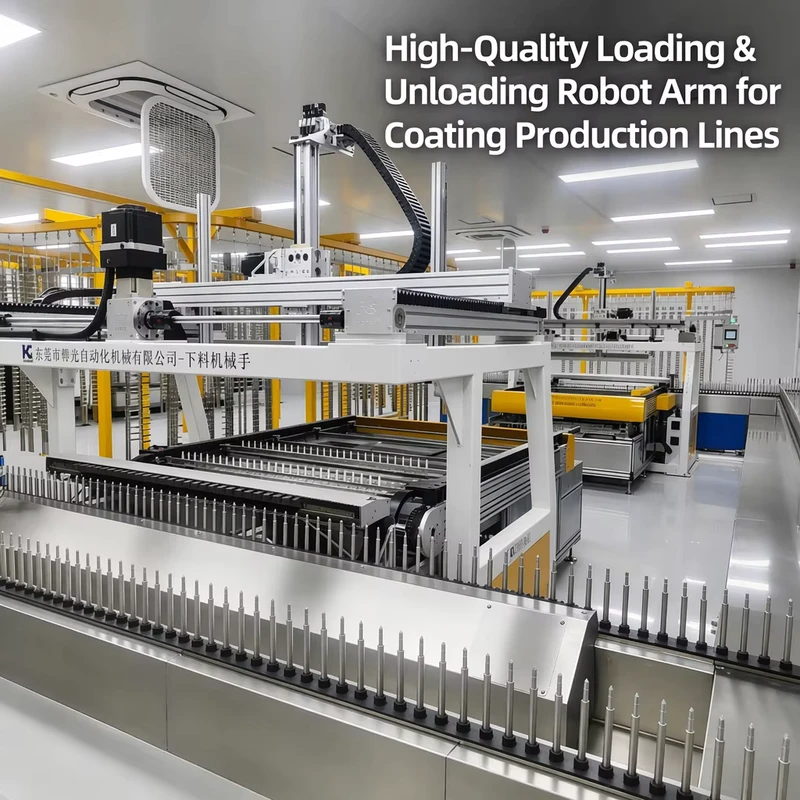
End-of-line packing requires a different buying approach. The food palletizing system is specified for 220 V power and a 4 kW rating. Buyers should confirm pallet dimensions, carton weight, stacking pattern, target throughput, guarding, and hygiene requirements before selecting a configuration for food-related facilities.
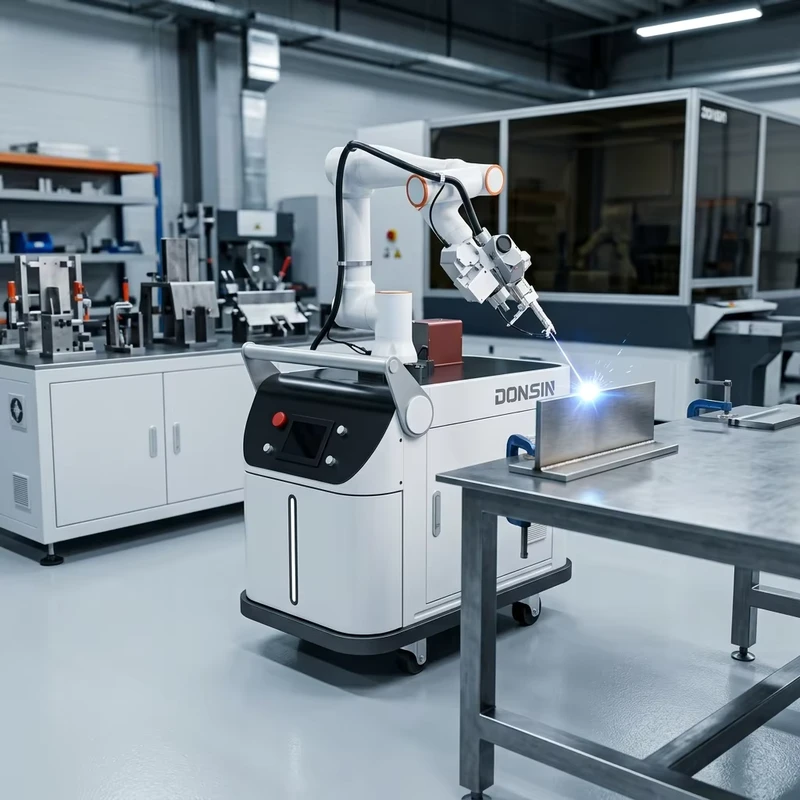
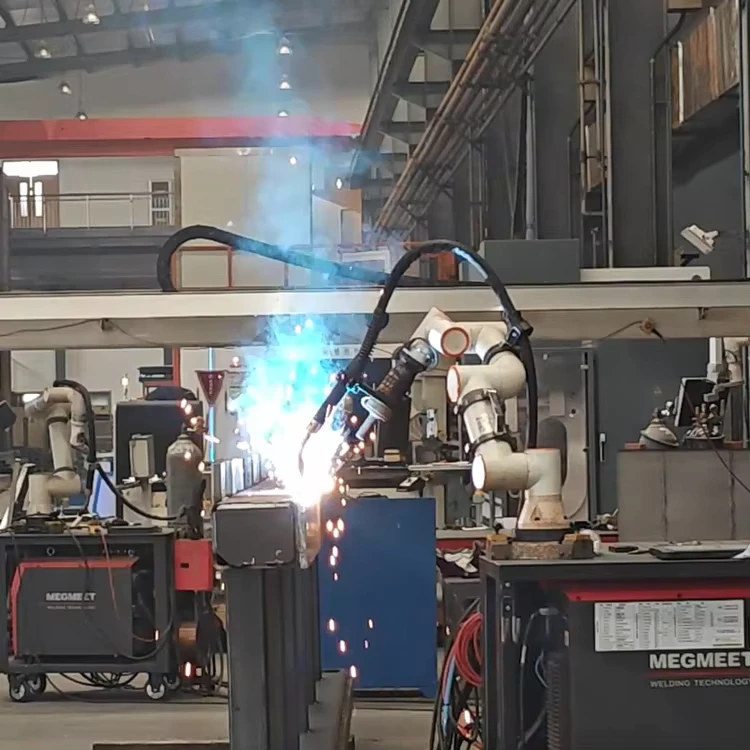
For metal fabrication, the six-axis welding cobot supports 5 kg, 10 kg, and 20 kg payload options, with listed working radii from 922 mm to 1,854 mm. Its stainless-steel construction and compatibility with welding equipment make it a practical candidate for standardized weld paths and repeatable production setups.
Check the Complete Supply Scope
Robot specifications are only one part of procurement. Ask about the controller, software interface, mounting method, cables, tooling, PLC communication, safety equipment, documentation, spare parts, and test procedures. A clear scope reduces integration surprises and helps distributors prepare accurate quotations. Explore the broader operation robot range, then share your application details to discuss a suitable configuration, commercial terms, and project inquiry.